

Exploring the psychology behind slot machine addiction
The Allure of Slot Machines
Slot machines have captivated players for decades, largely due to their enticing design and instant gratification. The bright lights and engaging sounds create a sensory experience that draws individuals in, making it easy to lose track of time. This allure is not just a coincidence; it is backed by psychological principles that take advantage of human behavior. For many, the thrill of the game is compelling enough to overlook the odds stacked against them.
The potential for a significant payout with a minimal initial investment adds to the machines’ attractiveness. A small bet can lead to life-changing winnings, instilling hope and excitement in players. This seductive nature is exploited by casinos to enhance engagement and encourage prolonged play, ultimately fueling addiction.
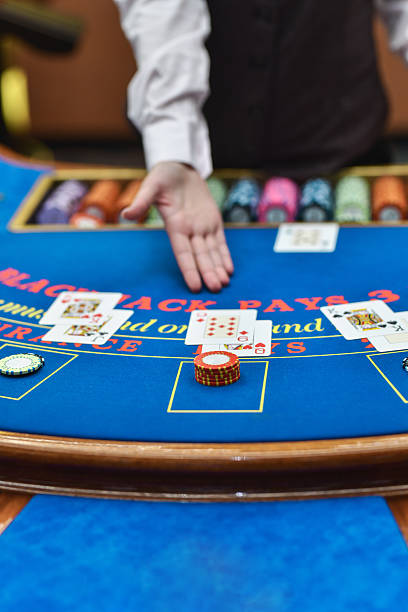
At the heart of slot machine addiction lies the concept of reinforcement, particularly variable ratio reinforcement. This psychological principle explains how inconsistent rewards result in increased engagement. Players experience a mix of wins and losses, with wins coming at unpredictable intervals, which creates a sense of suspense and excitement. This uncertainty compels players to keep pulling the lever, hoping that the next spin could result in a jackpot.
The thrill of winning, even when it is infrequent, reinforces the gambling behavior. It leads to a cognitive bias where players remember the wins more vividly than the losses. This selective memory can cause individuals to underestimate their actual odds of winning, thus perpetuating the cycle of addiction.
Personal factors such as mental health, stress levels, and social interactions significantly influence slot machine addiction. Individuals dealing with anxiety or depression may use gambling as an escape mechanism, finding temporary relief in the excitement of the game. This escape can turn into a habit, as the player consistently returns to slot machines for solace.

Environmental elements also play a crucial role. The design and layout of casinos are meticulously crafted to make players feel comfortable and at ease, encouraging them to spend more time gambling. Factors such as lighting, sound, and even the scent in the air are engineered to create an inviting atmosphere, making it difficult for players to leave without feeling compelled to engage further.
The advancement of technology has revolutionized the gaming experience, thus amplifying the potential for addiction. Online slot machines offer convenience and accessibility, allowing players to gamble from the comfort of their homes. This ease of access can blur the lines between casual play and addiction, as players may not have the same awareness of time and resources compared to a physical casino environment.
Moreover, the integration of gamification features in online platforms—such as leaderboards, rewards, and social sharing—fuels competition among players, further enhancing the addiction risk. Developers often harness psychology to keep players engaged, utilizing techniques that can lead to compulsive behavior. As a result, some individuals find themselves caught in a cycle that is increasingly difficult to break.